Guangzhou vs Shenzhen vs Yiwu vs Ningbo: Where Your Product Is Actually Made
 Hidayat Khan·Aug 2026·12 min read
A client once told me, very firmly, that he only wanted a Shenzhen factory. He'd read that Shenzhen was where Chinese manufacturing happened. His product was a canvas tote bag with a printed logo.
There are no canvas tote factories in Shenzhen worth talking about. There are thousands an hour outside Guangzhou, in a town called Shiling that he'd never heard of and never would have found. He'd have paid a Shenzhen trading company to buy those exact bags from those exact factories and add a margin.
This happens constantly. So here's what each of the four big sourcing cities actually makes, and how to tell whether the company on your invoice is the factory or just the closest office to an airport. If you'd rather skim, every section has a graphic that carries the point on its own.
Which Chinese city actually makes your product?
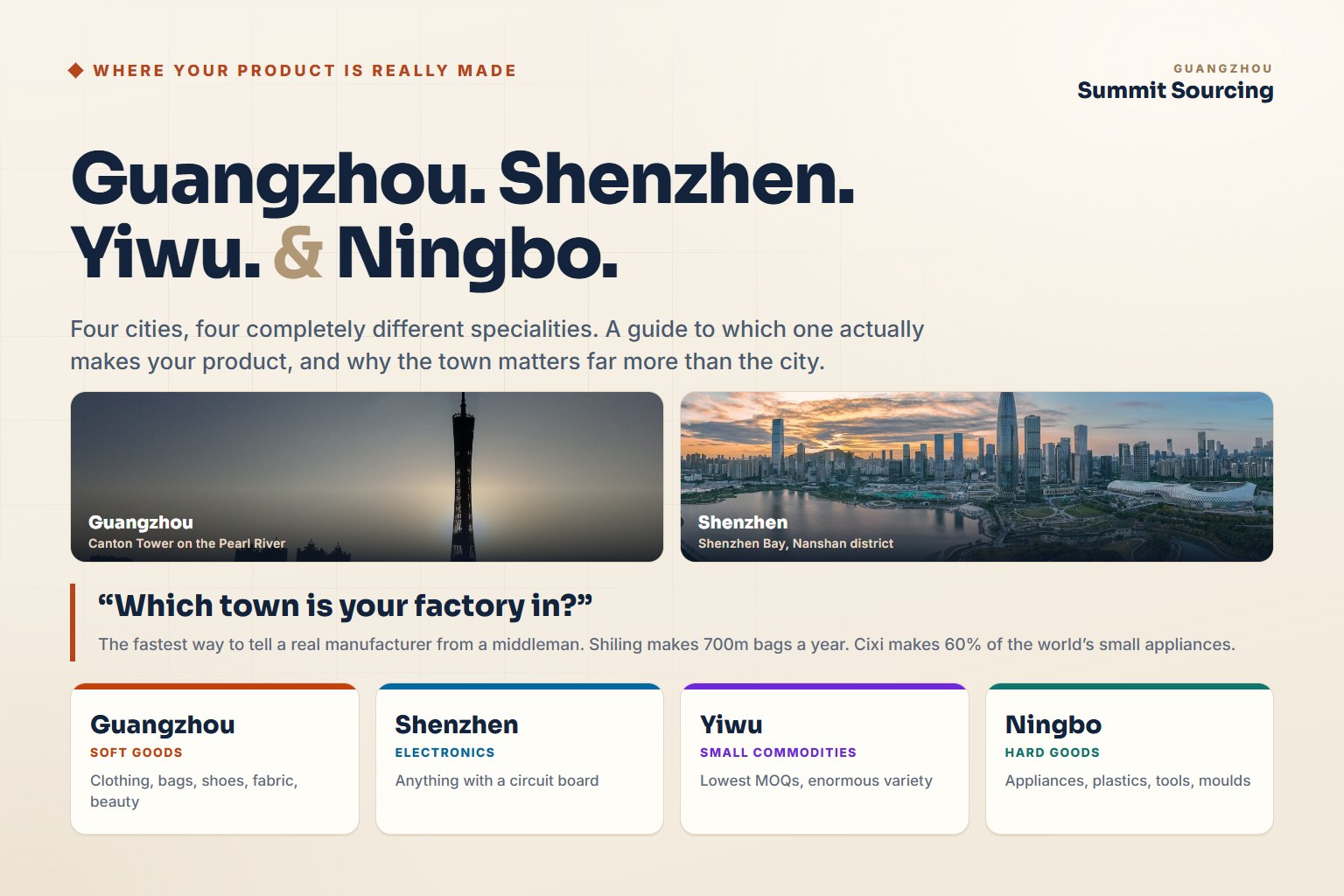
Guangzhou for anything soft: clothing, bags, shoes, fabric, beauty. Shenzhen for anything with a circuit board. Yiwu for small cheap items in huge variety. Ningbo for appliances, plastics, tools and moulds. The split is regional too: Guangzhou and Shenzhen sit in the Pearl River Delta in the south, about thirty minutes apart by high-speed rail. Yiwu and Ningbo are in Zhejiang, in the Yangtze River Delta.
Get this wrong and you don't just pay more. You end up with a supplier who is managing your product at arm's length, which is exactly the situation where quality problems appear late and nobody can explain them.
What is each city actually good at?
Each has a genuine specialism backed by scale. Yiwu's International Trade City runs more than 75,000 booths across over four million square metres, and around 500,000 overseas buyers pass through it a year. Ningbo's port handled over 1.4 billion tonnes of cargo in 2025, its seventeenth consecutive year as the world's busiest by cargo tonnage (People's Daily, January 2026).
Why the town matters more than the city
Here's the part almost nobody tells first-time buyers. Chinese manufacturing doesn't cluster by city. It clusters by town, and the towns are absurdly specialised. Cixi, a satellite of Ningbo, has around 10,000 electrical appliance factories and produces roughly 60 percent of the world's small home appliances. Shiling, outside Guangzhou, has over 4,000 leather goods factories turning out around 700 million bags, belts and wallets a year.
So when a supplier's address says Guangzhou, that tells you almost nothing. Guangzhou is a city of 18 million people. The question that matters is which town, because that's where the skill actually lives. In Shiling there are cutters and edge finishers who have done nothing else for twenty years. You cannot recreate that in a general factory an hour away, no matter what the quote says.
This is also the single best trading-company detector I know. Ask a supplier which town their factory is in. A real manufacturer answers instantly and usually with pride. A middleman gives you the city, because the city is all they have.
If you want the answer key rather than the question, I have since written up the specialist market towns themselves: Keqiao for fabric, Lecong for furniture, Chenghai for toys, Guzhen for lighting and Yongkang for hardware.
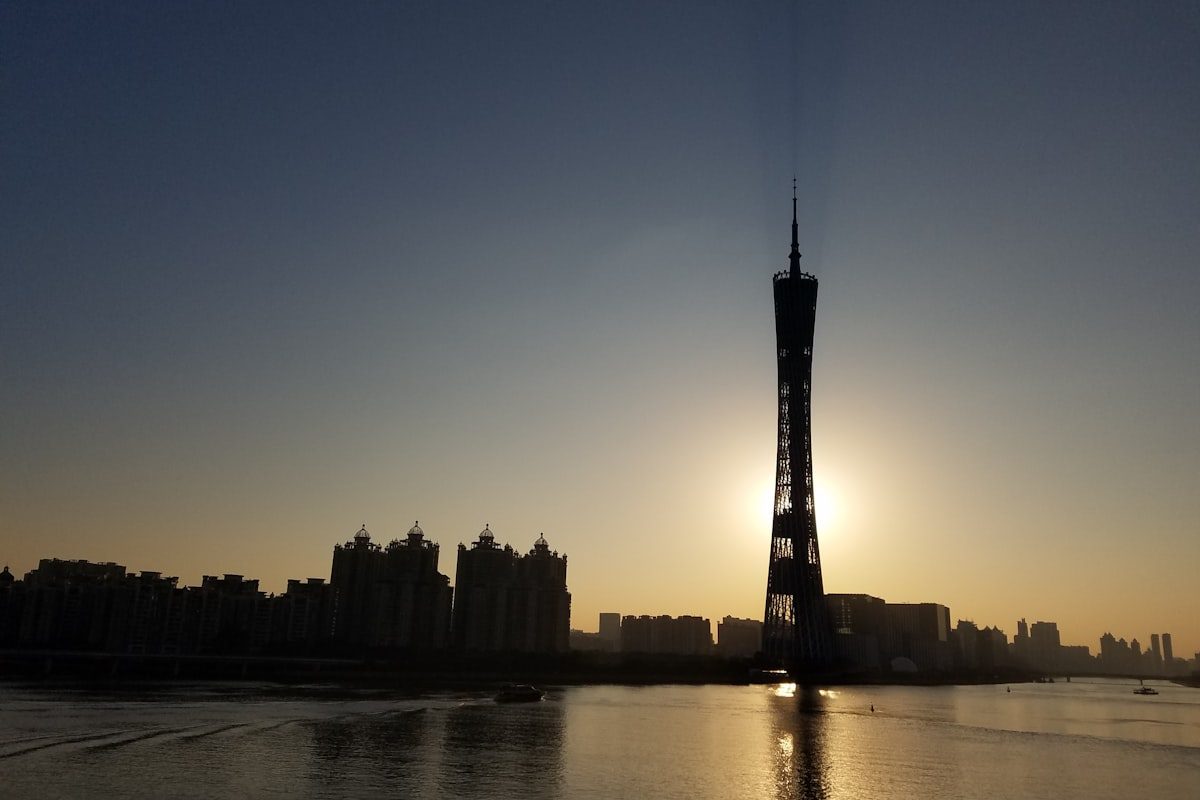
Which city for which product?
Match the product to the cluster and everything downstream gets easier: better prices, shorter lead times, and people who understand your product without a briefing. Shenzhen's Huaqiangbei electronics district alone draws close to 8,000 overseas buyers a day in 2026 (Global Times, August 2026), which tells you where electronics buyers actually go.
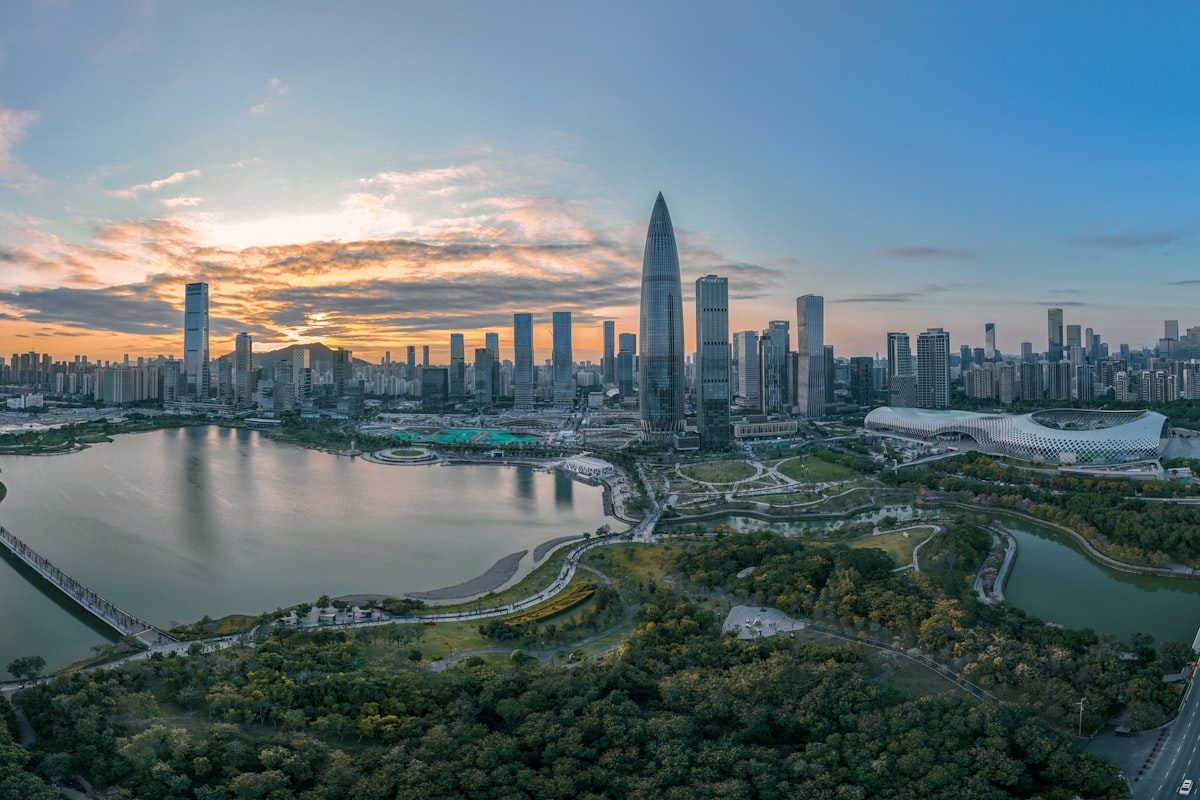
How much does the port change your costs?
More than most buyers plan for. Ningbo-Zhoushan handled over 43 million TEU in 2025, making it the world's third-largest container port, with 309 shipping routes reaching more than 700 ports (China Daily, January 2026). More routes means more sailings, and more sailings means you wait less.
The trap is Yiwu. It's inland, so nothing ships from Yiwu directly. Your goods travel by road to Ningbo or Shanghai first, and that trucking leg is a real cost and a real delay that quotes often bury or omit. It isn't a reason to avoid Yiwu. It's a reason to ask where the container is actually loading before you compare two quotes.
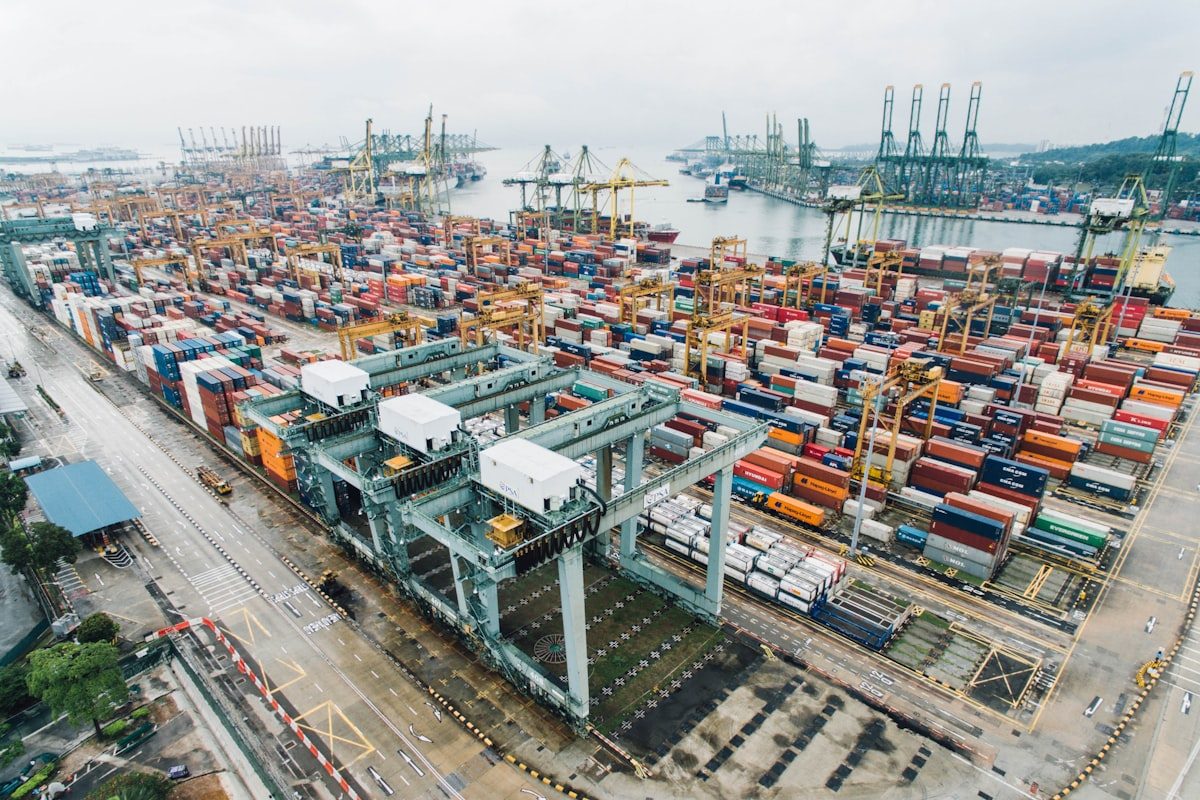
The bigger version of the same problem: splitting one order across the Pearl River Delta and the Yangtze River Delta. Guangzhou to Ningbo is roughly a thousand kilometres. Consolidating those into one container means trucking goods across the country, and it's usually cheaper to ship two separate part-loads than to force them together.
If you're visiting, which order should you go in?
Pair the cities that share a region, and don't try to do all four in one trip unless you have ten days. Guangzhou and Shenzhen are half an hour apart on the high-speed rail, so they're genuinely one trip. Yiwu and Ningbo are under two hours apart, so they're another. Crossing between the two regions costs you the better part of a day.
If you're coming in October, the Canton Fair in Guangzhou is the obvious anchor and everything else should be planned around it. I've written a separate first-timer's playbook for the fair, and if this is your first trip to China at all, the visa, apps and payments setup guide is worth reading before you book.
Should you move your production?
Usually not, and I say that as someone who'd earn more if I said otherwise. If your current supplier is in the wrong city but the product is good, the price is fair and delivery is reliable, moving costs you tooling, samples, lead time and a working relationship. That's a lot to spend for a theoretical gain.
Where it does pay off is when you're paying a middleman's margin and getting a middleman's problems: slow answers on technical questions, no ability to change a spec, quality drift you can't trace. That's when the cluster question becomes urgent, because you're already paying the cost of being in the wrong place, you just can't see it on the invoice.
The tote bag client, by the way, ended up in Shiling. Same product, and he stopped paying for the privilege of a Shenzhen postcode. The thing that changed his mind wasn't the price, it was walking the factory and realising the people making his bags had been making bags their whole lives.
The one question worth asking
On your next supplier call, ask: "which town is your factory in?" Then look it up. If the town is a known cluster for your product, that's a strong signal. If they answer with the city, or get vague, you've learned something more useful than any certificate they could send you.
Frequently asked questions
Which Chinese city is best for sourcing?
There isn't one. Guangzhou leads on clothing, bags, shoes, fabric and beauty. Shenzhen leads on electronics. Yiwu leads on small commodities at low quantities. Ningbo leads on appliances, plastics, tools and moulds. The best city is whichever one specialises in your product.
Is Yiwu a factory city or a market?
A market. Yiwu International Trade City runs more than 75,000 booths across four million square metres, and most sellers are traders sourcing from factories elsewhere in Zhejiang. That's fine for small quantities and mixed containers, but you're rarely buying direct from a manufacturer.
Why is Yiwu shipping more expensive than it looks?
Yiwu is inland and has no port. Goods truck roughly 300 kilometres to Ningbo or Shanghai before they sail, and that leg is often left out of an initial quote. Always confirm which port your container loads at before comparing a Yiwu price to a coastal one.
Can I combine suppliers from different cities into one container?
Within a region, easily. Guangzhou and Shenzhen consolidate well, as do Yiwu and Ningbo. Across regions it's roughly a thousand kilometres of trucking, and shipping two part-loads usually beats forcing one container. Plan consolidation by region, not by supplier count.
How do I tell if a supplier is really in the cluster?
Ask which town, not which city. Real manufacturers name the town immediately, because it's their identity: Shiling for leather, Cixi for appliances, Yuyao for plastics. A supplier who only ever says the city name is usually a trading company or a sales office.
Is Shenzhen still worth it for electronics?
Yes. Huaqiangbei alone draws close to 8,000 overseas buyers daily in 2026, and the density of components, assembly and engineering support around it is genuinely hard to match elsewhere. For anything with a circuit board, Shenzhen remains the default.
Key takeaways
- Guangzhou for soft goods, Shenzhen for electronics, Yiwu for small commodities at low quantities, Ningbo for appliances, plastics, tools and moulds.
- Manufacturing clusters by town, not city. Shiling makes around 700 million bags a year; Cixi makes roughly 60 percent of the world's small appliances.
- "Which town is your factory in?" is the fastest trading-company detector there is. Real manufacturers answer instantly.
- Yiwu has no port. Goods truck about 300 km to Ningbo or Shanghai first, and that cost is often missing from the quote.
- Don't move a working supplier just to be in the right city. Move when you're paying a middleman's margin and getting a middleman's problems.
Sources
- People's Daily Online, "Ningbo-Zhoushan Port sees cargo throughput surpassing 1.4 billion tonnes in 2025", retrieved 2026-08-27, en.people.cn
- China Daily, "Ningbo-Zhoushan Port throughput up", retrieved 2026-08-27, chinadaily.com.cn
- Global Times, "Huaqiangbei drives China's AI export boom", August 2026, retrieved 2026-08-27, globaltimes.cn
- Yiwu International Trade City market scale (booths, floor area, annual overseas buyers), retrieved 2026-08-27, en.wikipedia.org
- Cluster figures for Shiling, Zhongda, Cixi and Yuyao are widely published industry estimates rather than audited government statistics. They are used here to show relative scale.
Not sure which city your product comes from?
Send us the product. We'll tell you which cluster makes it, what it should cost there, and whether your current supplier is the factory or the middle.
Get a free quote