How AI Is Changing Product Sourcing, Procurement and Supplier Research
 Hidayat Khan·Mar 2026·9 min read·Last reviewed Jun 2026

AI has quietly become part of how serious importers source from China. Used well, it compresses weeks of product research and supplier shortlisting into an afternoon. Used carelessly, it gives you a confident-sounding factory recommendation that turns out to be a trading company with a borrowed photo of a production line. This guide breaks down exactly what AI does well in sourcing, where it quietly fails, and the workflow that lets you keep the speed without inheriting the risk.
AI for product research and trend discovery
The first place AI earns its keep is upstream, before you ever contact a supplier. Instead of manually scrolling marketplaces and guessing what is heating up, you can use AI tools to summarise reviews across thousands of listings, surface recurring customer complaints, and spot gaps a new product could fill. Ask it to read 500 one-star reviews of a competing kettle and you will get a clear list of what buyers actually hate, leaking lids, flimsy hinges, confusing manuals, which is exactly the brief you hand a factory.
AI is also strong at pattern work that used to eat hours: clustering keyword demand, drafting product specs, comparing feature sets across rival SKUs, and translating overseas listings so you can read what a market wants in its own language. Treat the output as a fast, broad first pass, a way to narrow 200 product ideas down to five worth real money and real attention. The judgement of which of those five fits your brand, margin target and logistics reality is still yours.
- Summarise hundreds of competitor reviews into a concrete improvement brief
- Cluster keyword and search demand to validate real interest
- Draft first-pass product specs and feature comparisons
- Translate foreign listings and reviews to read a market directly
- Flag seasonality and obvious saturation before you commit
AI-assisted supplier comparison
Once you know the product, AI speeds up the messiest part of the early funnel: turning a long, inconsistent list of suppliers into something you can actually compare. Feed it ten supplier profiles, certificates and quotes in different formats and it will normalise them into one table, MOQ, unit price, lead time, certifications, claimed capabilities, so you are comparing like with like instead of squinting at ten different PDFs.
It is genuinely useful for catching inconsistencies a tired buyer misses. AI will notice when a supplier claims fifteen years in business but registered its company two years ago, or when the same factory photo appears on three 'different' suppliers' pages. What it cannot do is confirm any of it is true. Every comparison AI produces is built on what suppliers say about themselves plus whatever is scraped from the open web, and in China sourcing, the gap between the brochure and the factory floor is exactly where money is lost.
AI gets you to a confident shortlist faster than ever, local verification is what makes that confidence safe to act on.
Faster RFQ writing and communication
Writing a clear request for quotation is a skill, and AI is good at it. It will turn your rough notes into a structured RFQ that spells out specifications, tolerances, packaging, certifications, target quantity and required lead time, the level of detail that gets you comparable quotes instead of ten suppliers guessing at what you meant. A precise RFQ is also your first quiet quality filter: vague briefs attract vague suppliers.
AI is equally handy day to day in keeping communication tight across a language gap. It drafts polite but firm follow-ups, rewrites a confusing supplier reply into plain English, and helps you phrase negotiation points without the tone problems that derail deals over email. Just keep a human in the loop on anything binding. AI does not know that a particular supplier always pads lead times by ten days, or that 'no problem' from one factory means yes and from another means they have not actually checked.
- Convert rough notes into a complete, comparable RFQ
- Standardise specs, tolerances, packaging and certification requirements
- Draft and soften follow-ups and negotiation messages
- Clarify ambiguous supplier replies across a language barrier
Risk: AI cannot fully verify factories alone
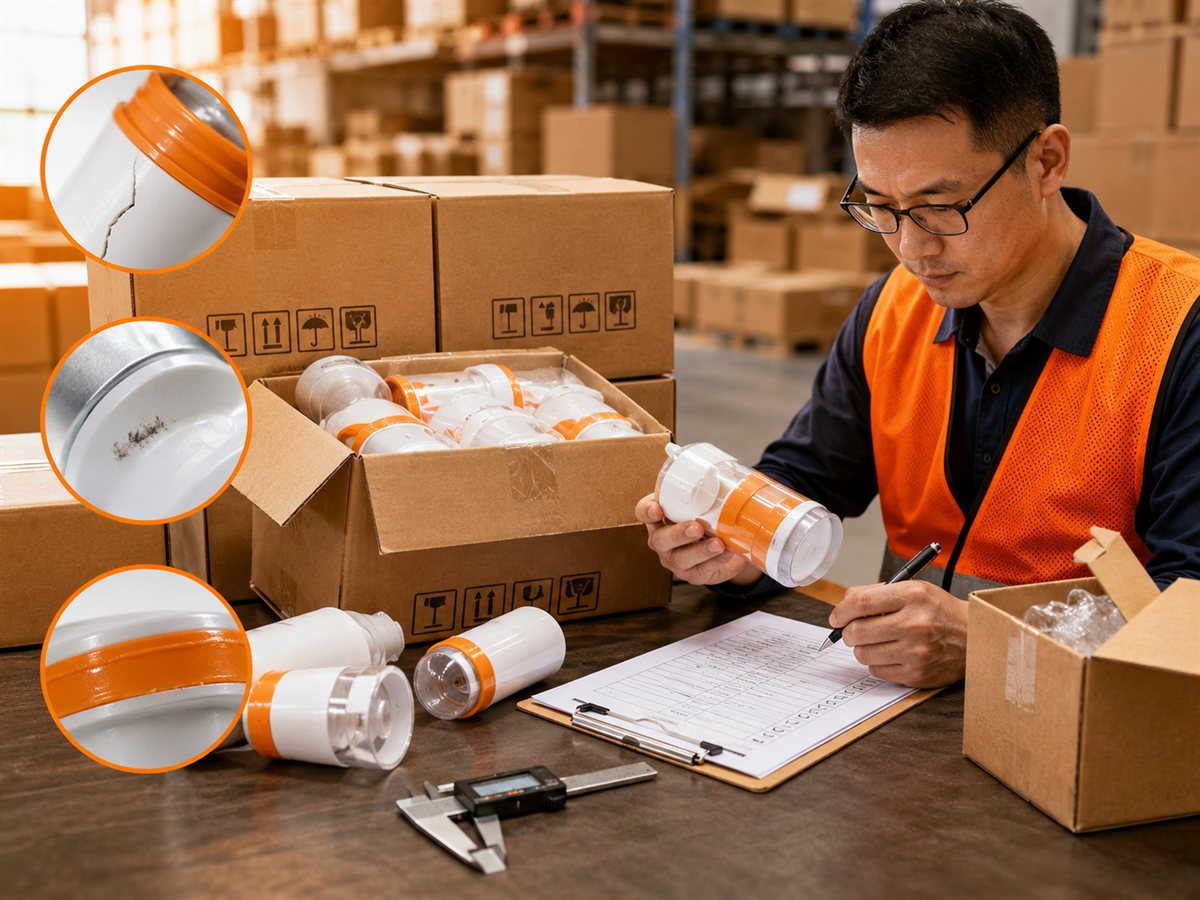
Here is the line that matters most. AI works from text, images and data that already exist online, and a meaningful share of that information is presented by the supplier itself. It cannot tell whether the company behind a slick profile is a real manufacturer or a trader reselling someone else's goods. It cannot confirm that the certificate is current, that the test report belongs to the product you are buying, or that the photographed production line is even in the right city.
Worse, AI states all of this with the same calm confidence whether it is right or wrong, and it will sometimes fabricate plausible-sounding details outright. A model has no way to walk a factory floor, run its finger along a seam, watch how workers handle your goods, or read the room when a sales manager dodges a direct question about capacity. Those are precisely the signals that separate a supplier who will protect your order from one who will quietly cut corners once your deposit clears.
- Cannot distinguish a real factory from a trading company
- Cannot confirm certificates, audits or test reports are genuine and current
- Cannot verify a factory's true capacity or quality systems
- Will state guesses confidently and occasionally invent details
- Misses the in-person red flags that predict trouble
Human sourcing agents vs AI tools
It helps to see AI and a local sourcing agent as different tools for different jobs, not competitors. AI is unbeatable at breadth and speed, reading widely, summarising, drafting, comparing, at near-zero marginal cost. A human agent on the ground in China brings the things AI structurally cannot: a factory visit, eyes on a sample, a relationship that gets your order prioritised when the line is full, and the cultural read that turns a tense negotiation into a long-term partnership.
The strongest operators are not choosing one over the other. They use AI to do the heavy desk research fast and cheaply, then deploy human time only where it changes outcomes, verification, negotiation, and quality control. That is how you get the scale of software with the protection of someone who can physically stand in the building your products are made in.
Best workflow: AI research plus local China verification
The workflow that actually wins combines both. Let AI run the funnel: research the product, surface and compare suppliers, draft the RFQ, and keep communication sharp. Then, before any meaningful money moves, hand the shortlist to a human on the ground to verify the things AI cannot, business licence, real manufacturing capability, samples in hand, and a factory visit or audit where it counts.
This is exactly where a China-based partner earns its fee. At Summit Sourcing we use modern research tools to move quickly through the early stages, then put our own people in front of the factory to confirm what is real before you commit. AI gets you to a confident shortlist faster than ever, local verification is what makes that confidence safe to act on.
- Use AI to research products and shortlist suppliers fast
- Generate a precise, comparable RFQ and tighten communication
- Verify business licence and real manufacturing capability on the ground
- Inspect samples and visit or audit the factory before paying
- Reserve human time for verification, negotiation and quality control
Frequently asked questions
Can AI help me find a winning product before I contact suppliers?
Yes, this is where AI earns its keep upstream. I use it to summarise reviews across thousands of listings, surface recurring complaints, and spot gaps a new product could fill. Ask it to read 500 one-star reviews of a competing kettle and you get a clear list of what buyers hate, which is exactly the brief you hand a factory. Treat it as a fast first pass.
Can AI verify whether a Chinese supplier is a real factory?
No, and this is the line that matters most. AI works from text, images and data already online, much of it presented by the supplier itself. It cannot tell a real manufacturer from a trader reselling someone else's goods, confirm a certificate is current, or check that a photographed production line is even in the right city. It also states guesses with calm confidence and sometimes invents details outright.
How can AI speed up writing an RFQ to suppliers?
AI is good at turning rough notes into a structured request for quotation. It spells out specifications, tolerances, packaging, certifications, target quantity and lead time, the detail that gets you comparable quotes instead of suppliers guessing what you meant. A precise RFQ is also a quiet quality filter, since vague briefs attract vague suppliers. Just keep a human in the loop on anything binding.
Should I use AI tools or a human sourcing agent in China?
See them as different tools for different jobs, not competitors. AI is unbeatable at breadth and speed, reading, summarising, drafting and comparing at near-zero cost. A human agent on the ground brings a factory visit, eyes on a sample, relationships that get your order prioritised, and the cultural read AI cannot replicate. The strongest operators use both, not one over the other.
What is the safest workflow for combining AI and China sourcing?
Let AI run the funnel: research the product, compare suppliers, draft the RFQ and keep communication sharp. Then, before any meaningful money moves, hand the shortlist to a human on the ground to verify what AI cannot, the business licence, real manufacturing capability, samples in hand, and a factory visit or audit. AI builds a confident shortlist; local verification makes acting on it safe.
Key takeaways
- AI excels at breadth and speed: product research, review mining, supplier comparison and RFQ drafting.
- It standardises messy supplier data and catches inconsistencies, but only from what suppliers say about themselves.
- AI cannot verify a real factory, confirm certificates, or read in-person red flags, and it states guesses confidently.
- Human sourcing agents bring factory visits, samples in hand, relationships and cultural judgement AI cannot replicate.
- The winning workflow is AI for fast desk research plus local China verification before any money moves.
- Use AI to build the shortlist; use people on the ground to make acting on it safe.
Sourcing from China? Let us handle the hard part.
Tell us what you're sourcing and we'll come back with a clear plan and quote within 24 hours.
Get a project assessment