Chinese New Year 2027: When Factories Close, and When You Have to Order
 Hidayat Khan·Feb 2026·13 min read·Rewritten for CNY 2027 · Sep 2026
Chinese New Year 2027 falls on Saturday 6 February, and the official holiday runs roughly 4 to 12 February. Those dates are the least useful thing on this page. The dates that decide whether your stock arrives are mid-January, when the factory effectively stops, and November 2026, when a sea-freight order has to be placed to clear it.
Every year I get the same message in early January from someone who has just been told their order will now ship "after the holiday". They are not being lied to. They simply planned against the eight official holiday days instead of the eight-week window those days sit inside.
This year the margin is thinner than usual. CNY 2027 lands eleven days earlier than it did in 2026, which pulls every upstream deadline back with it into a period most importers are still treating as Q4 business as usual.
When exactly do Chinese factories close for CNY 2027?
The official public holiday is about 4 to 12 February 2027. The operational shutdown is roughly mid-January to mid-March — six to eight weeks.
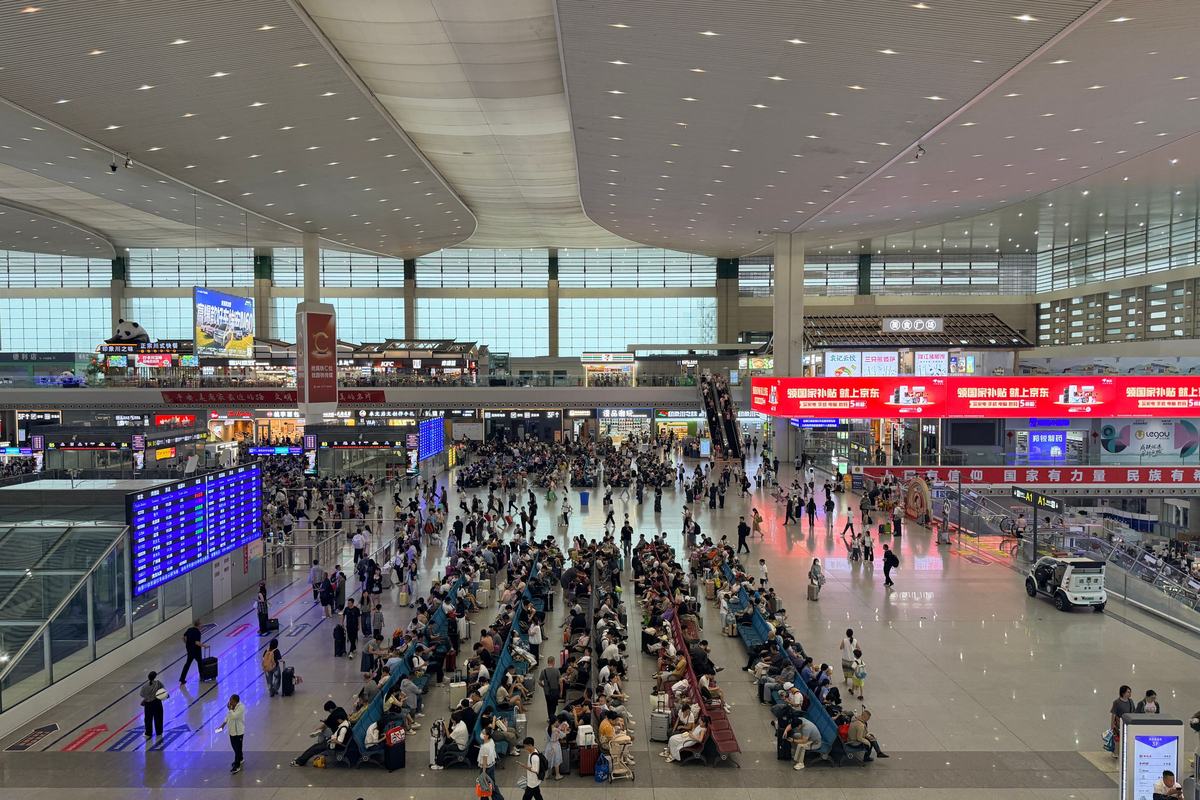
The reason is migration, not policy. Most production staff in Guangdong, Zhejiang and Fujian are internal migrants whose families are one or two provinces away. They do not leave on the first day of the holiday; they leave when they can get a ticket, which means the line starts thinning from mid-January. Factories stop accepting new orders well before that, because they will not commit to work they cannot staff.
- Mid-January: new orders refused, existing runs prioritised, staff begin leaving
- 4 to 12 February: official holiday, offices and lines both closed
- Mid-February: doors reopen, output does not — staff are still returning
- Early to mid March: full capacity, with quality settling through late March
Why 2027 is tighter than 2026
CNY moves with the lunar calendar. In 2026 it fell in mid-February; in 2027 it falls on 6 February. Eleven days does not sound like much until you map it against a Western Q4.
It means the mid-January production stop now sits barely two weeks after the New Year holidays in your own market — the exact fortnight when your team is back at half strength, catching up on December, and least likely to be chasing a Chinese factory for a ship date. The pinch point moved into your blind spot.
The holiday did not get longer. Your runway got shorter, and it got shorter at the end you were least likely to be watching.
So when does the order actually have to be placed?
Assuming around 30 days of production, working backwards from a mid-January stop:
For anything moving by sea, November 2026 is the decision month. December is already the exception case, and by January you are negotiating for space on someone else's cancelled booking.
There is a cost dimension too. Carriers apply a General Rate Increase into the pre-CNY rush, typically in January, on exactly the sailings everyone is fighting for. Booking in December does not just protect your delivery date, it protects your freight budget.
Use your own numbers, not these. The table above assumes ~30 days production. If your product runs 45 or 60 days — anything with tooling, custom packaging or multi-component assembly — push every date back accordingly. Ask your supplier for their last realistic ship date before CNY and their first realistic one after, and plan against the answer rather than the calendar.
The transit time you were quoted is not the one you will get
This is where most CNY plans quietly break. A forwarder quotes you 18 days to Los Angeles, you work backwards from 18 days, and you miss by a month.
Quoted transit is port to port. It starts when the vessel leaves Shanghai and ends when it berths in Long Beach. It excludes getting a booking in the first place, trucking to the origin port, terminal cut-offs, customs at the far end, and the drayage that actually puts the box on your dock.
Flexport's Ocean Timeliness Indicator measures the honest version: cargo-ready at the factory through to departure from the destination port. In the week to 10 August 2026 it read 37.6 days to the US West Coast and 66.1 days to the East Coast, against quoted port-to-port ranges of 14 to 21 and 28 to 38 days.
Roughly double. If you are planning a Chinese New Year cutoff, plan against the measured number. LCL adds another one to two weeks on top for consolidation at both ends, which is why LCL shippers need to order earliest of anyone.
Launching a new product? Your deadline is closer than the shipping one
A repeat order needs production time. A new product needs sampling, tooling, revisions and a pre-production sample you actually sign off. Each of those is a round trip with a factory that is about to disappear for six weeks.
The practical rule: PPS approval by mid-December 2026. Miss it and you are not slipping by three weeks, you are slipping to late April or May, because tooling revisions cannot happen while the tooling shop is shut and the queue on the other side is full of everyone else who also missed.
- Sampling and revisions: start now, September to October 2026
- Tooling sign-off: November 2026
- Pre-production sample approved in writing: mid-December 2026
- Anything later: plan the launch for Q2 2027 and stop fighting it
Book inspections before mid-January, or wait until March
Third-party inspectors work the same calendar as the factories, and their January diary fills before the factories' does. Everyone wants the same pre-CNY slot.
Get your pre-shipment inspection completed by mid-January 2027. If you cannot, do not accept a rushed one in the last week — that is precisely when a line running flat out with half its staff produces the defects you are inspecting for, and when a tired inspector is most likely to wave it through. Ship it after CNY with a proper inspection instead.

What actually happens when they come back
This is the part almost nobody plans for, and it costs more than the closure does.
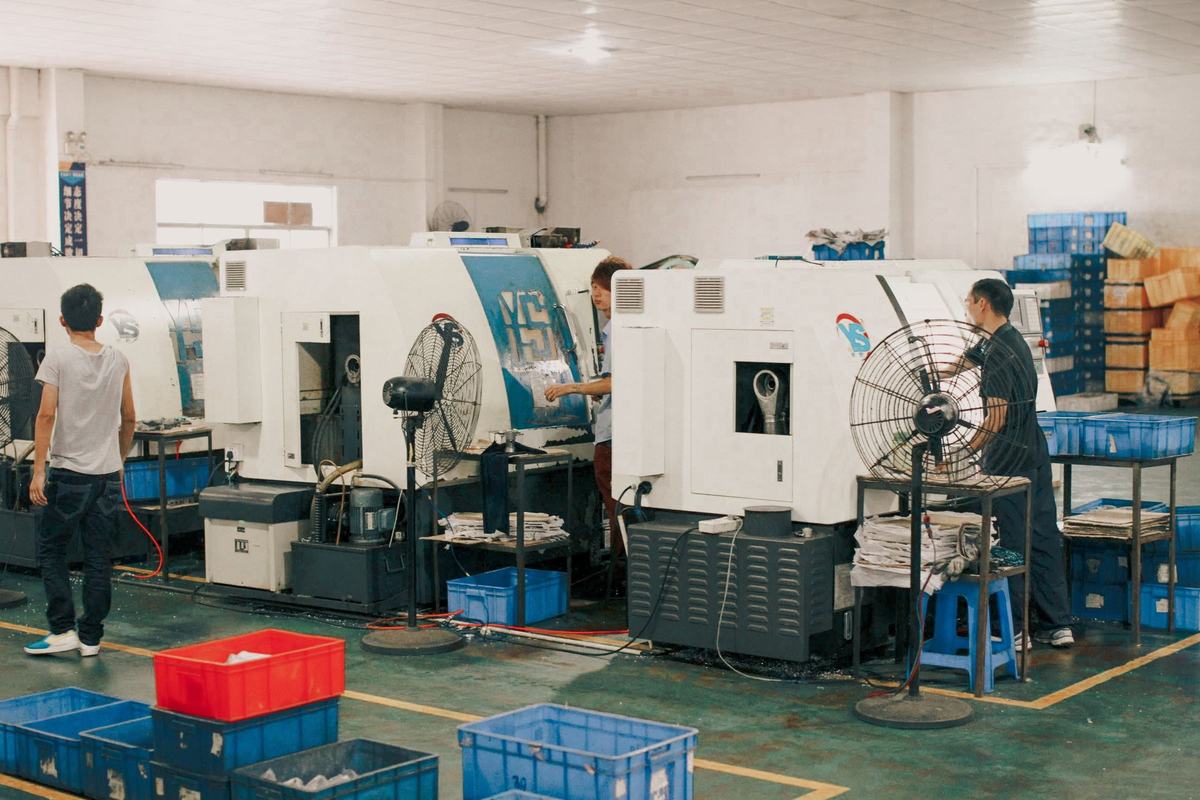
Chinese New Year is when factory workers change jobs. They go home, they talk to family, and a meaningful share do not come back to the same employer — or do not come back at all. Your factory reopens in mid-February with a partly new line: new hands on machines they have not run, new QC staff who have never seen your product, and a supervisor rebuilding a team while trying to clear a backlog.
The result is a predictable quality dip in the first production runs after the holiday. It is not sabotage and it is usually not even negligence. It is a new team learning your tolerances on your order.
- Do not let your first post-CNY run be a large one if you can avoid it
- Re-send your approved golden sample and specification before production restarts, not after
- Book an inspection on the first post-holiday run even if you normally skip it on repeats
- Expect the first quoted lead times after reopening to be optimistic by one to two weeks
If you have already missed the window
Assuming you are reading this too late, the options in order of preference:
- Split the order. Air-freight the fast-moving SKUs to cover the gap, sea-freight the rest after the holiday. Expensive per kilo, cheaper than being out of stock.
- Ask about pre-holiday partial production. Some factories will run a part quantity before closing if the materials are already in house. It costs you a premium and it is worth asking.
- Check the materials, not the factory. Your supplier may be open while their raw material or packaging supplier is not. Confirm the whole chain, not just the last link.
- Buy the stock somewhere else for one cycle. A domestic distributor at a worse margin beats an empty listing and a lost ranking.
- Do not accept a rushed pre-holiday run. The last week before closure is the worst quality window of the year.
And put the 2028 dates in your calendar now. Chinese New Year 2028 falls on 26 January, which is earlier again.
Frequently asked questions
When is Chinese New Year 2027 and how long do factories close?
Chinese New Year 2027 falls on Saturday 6 February, the Year of the Fire Goat, with the official public holiday running roughly 4 to 12 February. Factories stop accepting new orders and begin losing staff from mid-January, reopen around mid-February and reach full capacity in early to mid March. Plan against a six to eight week disruption, not the eight official holiday days.
When do I need to place my order to ship before Chinese New Year 2027?
Assuming around 30 days of production: early November 2026 for ocean freight to the US East Coast, mid-November for the US West Coast, late October to early November for LCL, and mid-December for air freight. If your product takes 45 or 60 days to produce, push every date back accordingly. For anything moving by sea, November 2026 is the decision month.
Why is Chinese New Year 2027 harder to plan for than 2026?
It falls eleven days earlier. That pulls the mid-January production stop to roughly two weeks after the Western New Year break, when your own team is back at half strength and catching up on December. The deadline has not just moved, it has moved into the fortnight you are least likely to be watching it.
Can I trust the transit time my freight forwarder quotes me?
Only as a port-to-port figure. Quoted transit starts when the vessel sails and ends when it berths, excluding booking lead time, origin trucking, terminal cut-offs, destination customs and final delivery. Flexport's Ocean Timeliness Indicator, which measures cargo-ready at the factory through to destination port departure, read 37.6 days to the US West Coast and 66.1 days to the East Coast in the week to 10 August 2026, against quotes of 14 to 21 and 28 to 38 days. Plan against the measured number.
Should I inspect goods before or after Chinese New Year?
Before, and completed by mid-January 2027. Inspector diaries fill earlier than factory schedules do. If you cannot get a slot, do not accept a rushed inspection in the final week before closure, because that is the worst quality window of the year. Ship after the holiday with a proper inspection instead.
Is quality worse after Chinese New Year?
Often, yes, in the first runs back. Chinese New Year is when factory workers change jobs, so a plant typically reopens in mid-February with a partly new line: new operators, new QC staff and a supervisor rebuilding a team against a backlog. Re-send your golden sample and specification before production restarts, avoid making your first post-holiday run a large one, and inspect it even if you normally skip inspections on repeat orders.
Key takeaways
- Chinese New Year 2027 is 6 February. The operational shutdown runs mid-January to mid-March, six to eight weeks.
- It falls eleven days earlier than 2026, pulling every upstream deadline back into your own post-holiday catch-up period.
- For sea freight, place the order in November 2026. December is the exception case; January is too late.
- Quoted port-to-port transit is roughly half the measured door-to-port figure. Plan against 37.6 days to the US West Coast, not 18.
- New product launches need pre-production sample approval by mid-December 2026, or they slip to Q2 2027.
- Complete pre-shipment inspections by mid-January. Never accept a rushed run in the final week before closure.
- Expect a quality dip on the first runs back in mid-February, because the line is partly new staff.
Sourcing from China? Let us handle the hard part.
Tell us what you're sourcing and we'll come back with a clear plan and quote within 24 hours.
Get a project assessment