How to Ship From China to Amazon FBA in 2026
 Hidayat Khan·Jun 2026·11 min read
A client had a great launch lined up last spring. Product ready, listing built, ads scheduled. Then the goods sat. He had shipped by sea to save money, nobody had labeled the units with FNSKU codes, and half the cartons bounced at the fulfilment centre. By the time it was sorted, he had missed his launch window and paid for storage on inventory Amazon would not receive. The product was fine. The shipping plan was not.
Getting goods from a Chinese factory into Amazon is the part most first-time importers underestimate. The product feels like the hard bit, but the freight, the customs clearance and Amazon's own rules are where the money and the timing actually slip. And in 2026 the rules changed in a way that catches people out.
I coordinate this for clients from the Guangzhou side every week, so this is the practical version: your shipping options, how to choose between sea and air, what a forwarder really does, the Incoterm trap, and the Amazon prep rules that now sit on your shoulders instead of Amazon's.
What are your options: sea, air, express, or rail?
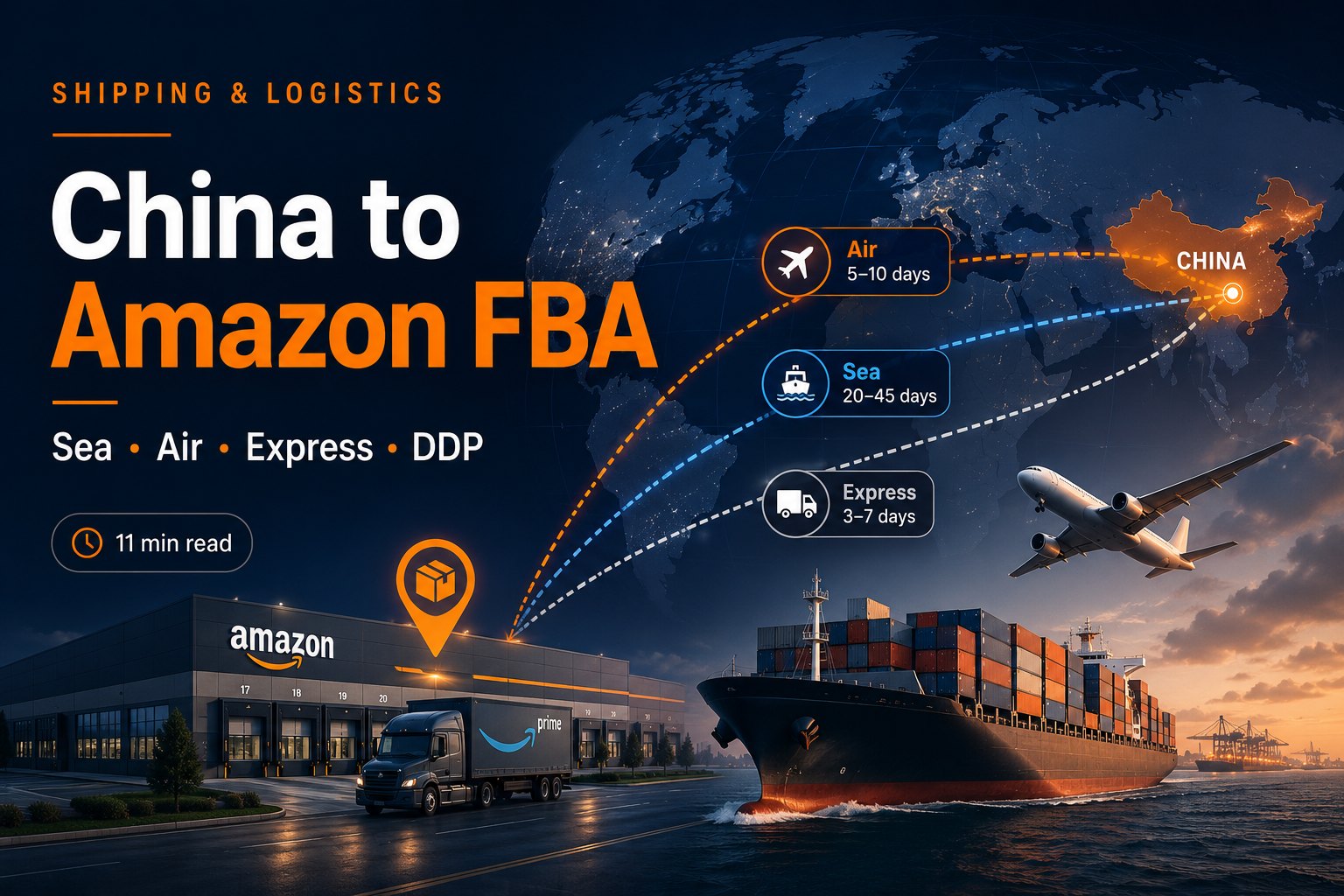
There are four ways to move goods from China, and they trade speed against cost in a predictable way. Express courier is fastest and dearest, sea is slowest and cheapest, and air sits in the middle. Rail into Europe is a niche middle option. Here is how they compare on a typical China to US lane.
A few working rules. Express is for samples and emergency restocks, not for a whole order. Air is for a launch, for light high-value products, or when a stockout would cost more than the freight. Sea is the default for planned bulk restocks, sent as LCL (a shared container) for smaller loads or FCL (a full container) once you fill one. Rail can beat sea on time into Europe, but it is not a factor for most US sellers.
Sea or air: which one actually makes sense?
The honest answer is that most established sellers use both. They send the first small batch or a launch by air to start selling quickly, then move the bulk reorder by sea once demand is proven. The mistake is treating it as one permanent choice.
The maths is simpler than people think. Air costs several times more per kilogram than sea, so the heavier and cheaper your product, the more sea wins. A light, high-margin gadget can absorb air freight comfortably. A heavy homeware item cannot, and air freight will quietly eat the margin you thought you had. Work it out per unit on landed cost, not on the headline freight quote, and the right answer usually becomes obvious. If you are not sure how to build that full number, my real landed cost checklist walks through every line freight sits inside.
Air to launch, sea to scale. Pay for speed while you are proving demand, pay for cost once demand is proven.
Do you need a freight forwarder, and what do they do?
For anything beyond a single express parcel, yes. A freight forwarder is the company that actually books the sea or air freight, arranges pickup from the factory, handles the export paperwork in China, and coordinates the journey to the destination. A customs broker clears the goods into your country. Many forwarders bundle both, and Amazon also runs its own program, Amazon SEND, that moves inventory from China straight to US fulfilment centres.
What a forwarder does not do is take responsibility for your compliance or your Amazon prep. You are still the importer of record. The forwarder moves the boxes. Whether those boxes are labeled correctly and allowed into Amazon is on you, which brings us to the two things that trip people up: the Incoterm and the prep.
FOB, EXW, or DDP: which Incoterm for FBA?
The Incoterm decides where the supplier's job ends and yours begins. For FBA, three come up. EXW means you take over at the factory door and handle everything, which is the most control and the most work. FOB means the supplier gets the goods onto the ship in China and you run it from there, which is the clean default most sellers should use. DDP means the supplier or forwarder delivers all the way to the fulfilment centre with duty paid, which feels effortless.
DDP is where the trap lives. It is genuinely convenient for a first order, but a cheap DDP quote often hides an under-declared customs value, which is your problem later, not the forwarder's, because you are the importer of record. There is also rarely a clean paper trail for the duty you supposedly paid. Use DDP to get started if you must, but insist on seeing the real HTS code and duty, and move to FOB as you grow. I go deeper on all four terms in DDP, DAP, FOB and EXW explained.
What Amazon needs before your boxes arrive (the 2026 change)
This is the part that changed, and it is the reason my client's launch stalled. From 1 January 2026, Amazon no longer offers prep and item-labeling services for FBA shipments in the US store. In plain terms, the labeling and prep that Amazon used to do for a fee now has to be done before your goods reach them, which means at the factory or a third-party warehouse.
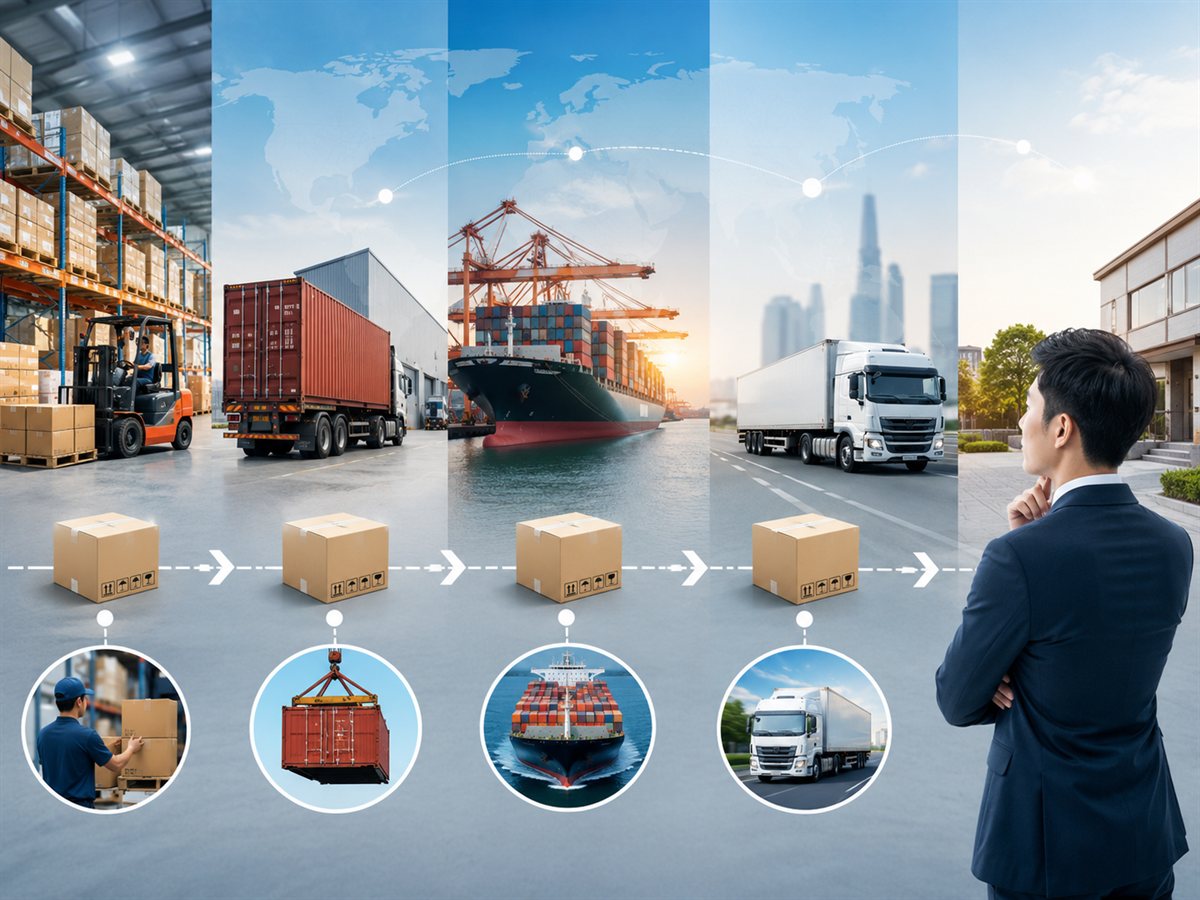
Here is the journey your goods actually take, and where the prep now sits.
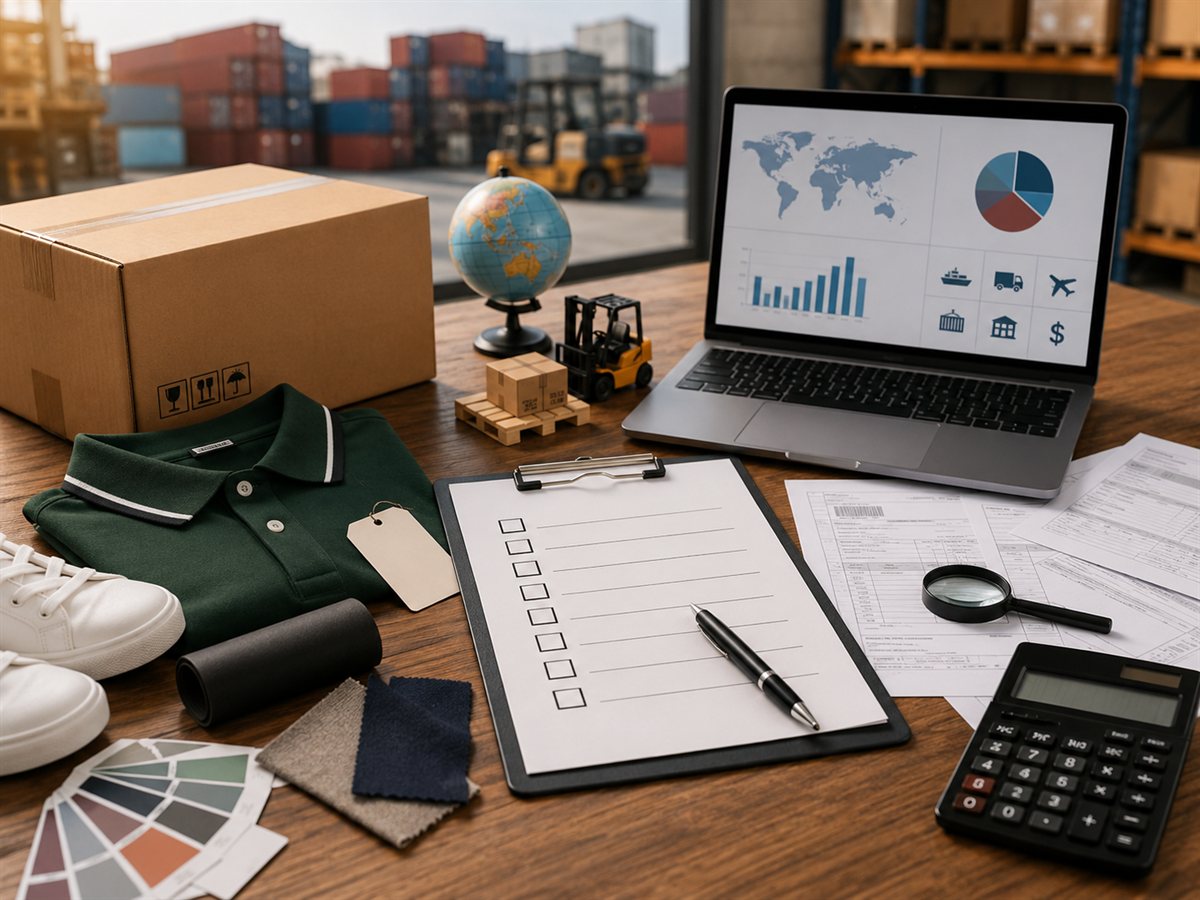
Practically, that means a short checklist before anything ships: every unit carries a scannable FNSKU label, poly-bagged items have the suffocation warning, cartons are within Amazon's weight and size limits and labeled with the shipment ID, and fragile or grouped items meet the packaging rules. The cleanest place to do the labeling is at the factory, because the units are already open and being packed. This is exactly the kind of thing I set up on the ground, and it is also why a pre-shipment inspection is worth booking at the same moment, since the inspector can confirm the labels and packing before the container is sealed.
What shipping to FBA really costs
The freight quote is only one line. The real cost of getting a shipment onto Amazon includes the freight, customs duty and any tariff, the customs broker, the FNSKU labeling and prep, Amazon's inbound placement fee, and storage if the timing slips. A sea shipment that looked cheap at the quote stage can land 30 to 40 percent higher once those pieces are added, which is why sellers who only compare freight quotes get surprised.
Amazon's own inbound placement fee is worth a specific mention, because it went up in 2026 and it depends on how many fulfilment centres you split your shipment across. Sending everything to fewer locations lowers that fee but can slow how fast your stock spreads. Build all of this into your numbers before you commit, the same way you would with tariffs. On that note, if you sell into the US, read how new tariffs are changing China sourcing costs before you price your next order.
The mistakes I see importers make
Most FBA shipping problems are timing and prep, not freight rates. These are the ones that come up again and again.
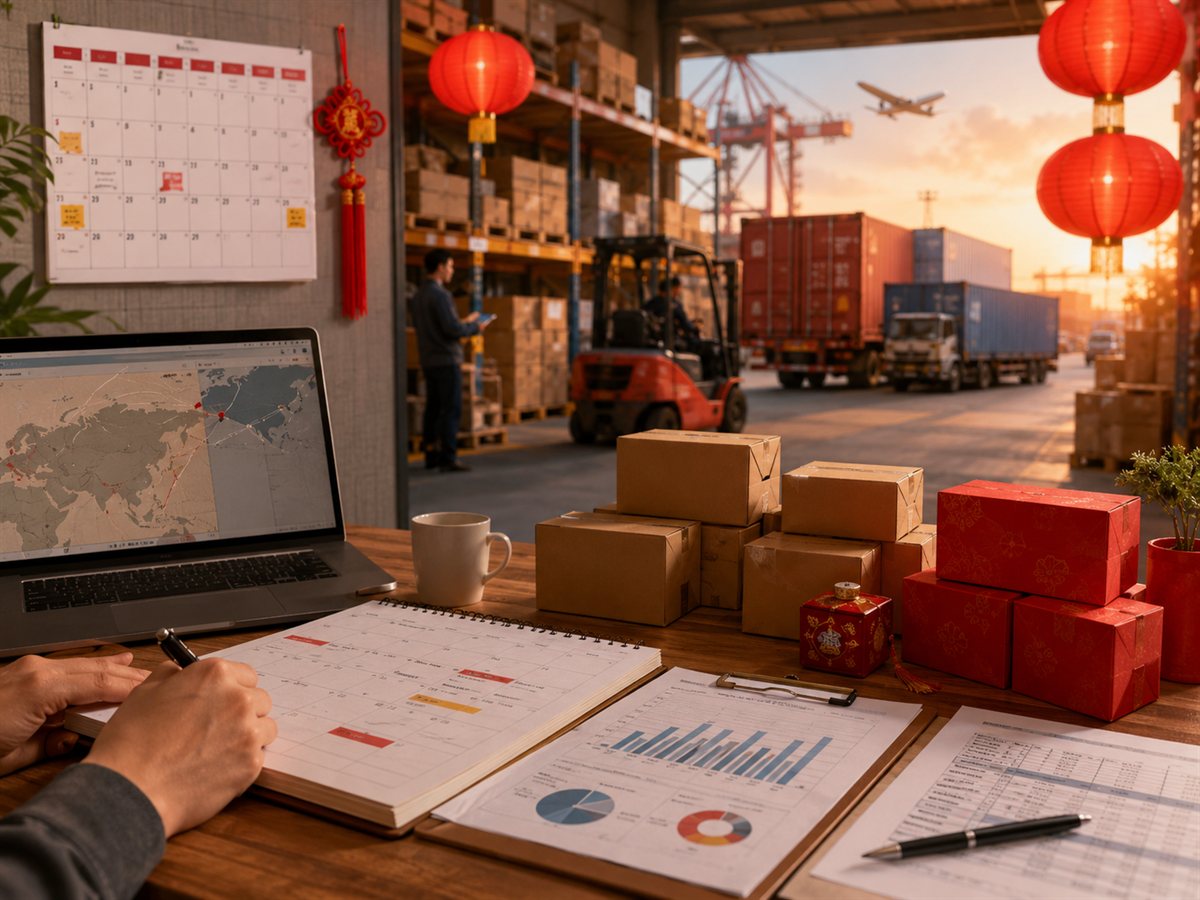
- Shipping by sea with no buffer. A 35-day transit plus customs leaves no room for delay. Order early and keep a safety stock, especially before Chinese New Year and Q4, when factories close and freight spikes.
- Leaving FNSKU labeling to chance. Since 2026 it has to be done before Amazon. Confirm who is doing it and check it before the container seals.
- Chasing the cheapest DDP quote. An under-declared customs value is your liability, not the forwarder's. Cheap now can be expensive later.
- No inspection before shipping. Once goods are on the water, a defect is a returns problem instead of a rework problem. Inspect while the goods are still in the factory.
- One shipment, one fulfilment centre, one plan. Split high-risk launches across sea and air, so a single delay does not take the whole launch down with it.
Frequently asked questions
How long does it take to ship from China to Amazon FBA?
It depends on the method. Express courier runs about 3 to 7 days, air freight about 5 to 10 days, and sea freight roughly 30 to 45 days door to fulfilment centre once you add customs and the final leg. Sea is much cheaper but you have to plan weeks ahead, especially around Chinese New Year and the Q4 peak.
Is sea or air freight cheaper for Amazon FBA?
Sea is cheaper per kilogram, usually a few dollars per kg or priced by volume, while air freight tends to run several times more per kg. As a rough rule, air makes sense for small, high-value or urgent shipments and for a launch, while sea wins for bulk restocks you can plan in advance. Compare on total landed cost, not just the freight quote.
Can I ship directly from my Chinese supplier to Amazon FBA?
Yes, but not raw off the production line. Every unit needs its FNSKU label and Amazon's packaging rules met before it arrives, and from 1 January 2026 Amazon no longer does that prep and labeling for you in the US store. In practice the labeling and prep happen at the factory or a third-party warehouse, and a forwarder or your agent books the freight and customs clearance.
Do I need a freight forwarder or a customs broker to ship to FBA?
For anything beyond a small express parcel, yes. A freight forwarder books the sea or air freight and coordinates the journey, and a customs broker clears the goods into your country. Many forwarders bundle both, and a DDP service rolls freight, duty and delivery into one price. You remain the importer of record and are responsible for compliance either way.
Is DDP shipping safe for Amazon FBA?
DDP is convenient because the goods land at the fulfilment centre with duty paid and little for you to arrange, which suits a first order. The risks are hidden costs, under-declared customs values that expose you later, and no clear paper trail. Use a forwarder who shows the real duty and HTS code, and move to FOB once your volume justifies managing freight yourself.
Key takeaways
- Four methods, trading speed for cost: express (3–7 days), air (5–10 days), sea (30–45 days), and rail into Europe. Air to launch, sea to scale.
- Choose sea vs air on landed cost per unit, not the headline freight quote. Heavy and cheap favours sea, light and high-value can take air.
- FOB is the clean default. DDP is convenient but hides under-declared customs values that land on you as importer of record.
- Big 2026 change: Amazon stopped doing FBA prep and item labeling in the US store. FNSKU labeling now happens at the factory or a 3PL, before your goods arrive.
- Budget the whole number: freight, duty, broker, labeling, inbound placement fee, and storage. Order early with a buffer around CNY and Q4.
Shipping your first order to Amazon FBA?
We arrange FNSKU labeling and prep at the factory, inspect the goods before they ship, and book a forwarder that will not surprise you at customs. Tell me your product and destination and I will map the cleanest route.
Plan my FBA shipment