

Building Supply Chain Resilience: Lessons from Global Disruptions
Recent global events have highlighted the importance of supply chain resilience. Businesses that build flexible, robust supply chains can better weather disruptions and maintain operations when others struggle.
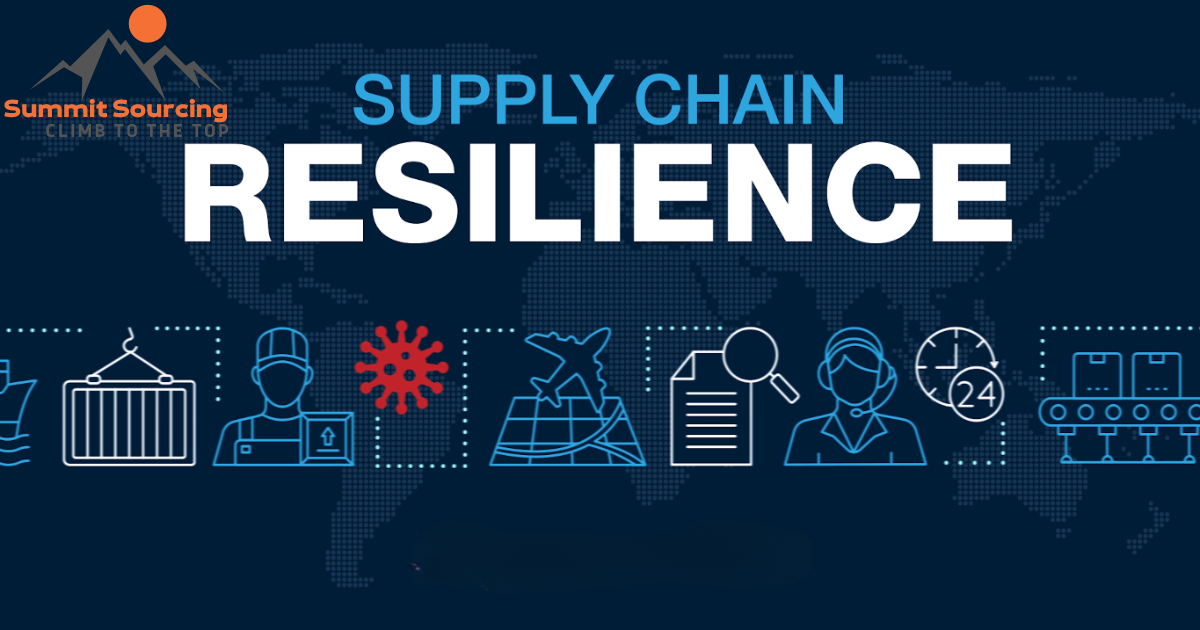
What is Supply Chain Resilience?
Supply chain resilience is the ability to anticipate, prepare for, respond to, and adapt to incremental change and sudden disruptions to survive and prosper.
Key Strategies for Building Resilience
1. Supplier Diversification
Avoid over-reliance on single suppliers or regions:
- Maintain relationships with multiple qualified suppliers
- Consider suppliers in different geographic regions
- Balance cost efficiency with risk management
2. Inventory Buffer Strategy
Strategic inventory positioning can absorb supply shocks:
- Safety stock for critical components
- Regional warehousing for faster response
- Balance carrying costs against disruption costs
3. Visibility and Transparency
You cant manage what you cant see:
- Real-time tracking of orders and shipments
- Supplier financial health monitoring
- Early warning systems for potential disruptions
4. Flexible Contracts
Build flexibility into supplier agreements:
- Volume flexibility clauses
- Emergency escalation procedures
- Force majeure provisions
5. Strong Supplier Relationships
In times of shortage, suppliers prioritize their best customers:
- Regular communication and visits
- Fair treatment and prompt payment
- Collaborative problem-solving
Assessing Your Supply Chain Risks
Conduct regular assessments of:
- Single points of failure
- Geographic concentration risks
- Lead time vulnerabilities
- Supplier financial stability
- Transportation and logistics risks
Summit Sourcing helps businesses build resilient China sourcing operations through supplier diversification, quality control, and proactive risk management. Contact us to strengthen your supply chain.